Iris · AI-assisted session journal for therapy clinics
I built a session journal for therapy clinics. I designed how therapists can check an AI suggestion against the original note and approve it before it enters the record.
Therapists need to check a suggestion before adding it to the record
Therapists already describe sessions in free text. Preparing an assessment file involves turning those notes into structured, traceable records. The interface had to retain the source text and make it clear who decided to include an AI suggestion.
The timeline distinguishes drafts from approved records
I gave suggestions a dashed border and a visible status label. Approved records use a solid marker and a distinct status. Border, text and marker communicate the difference alongside color.
Before approving, a reviewer can check the original sentence. The capture demonstrates the two states with fictional data.
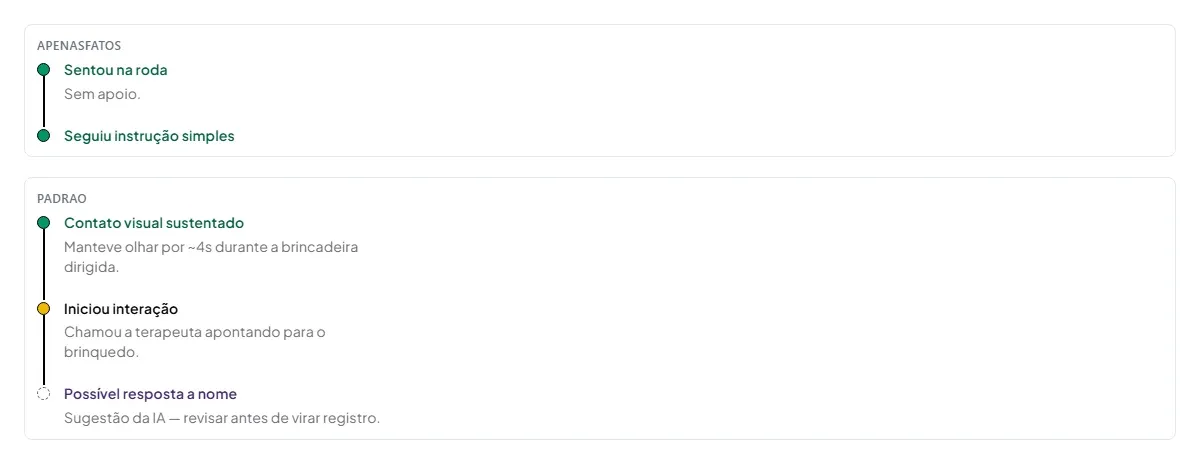
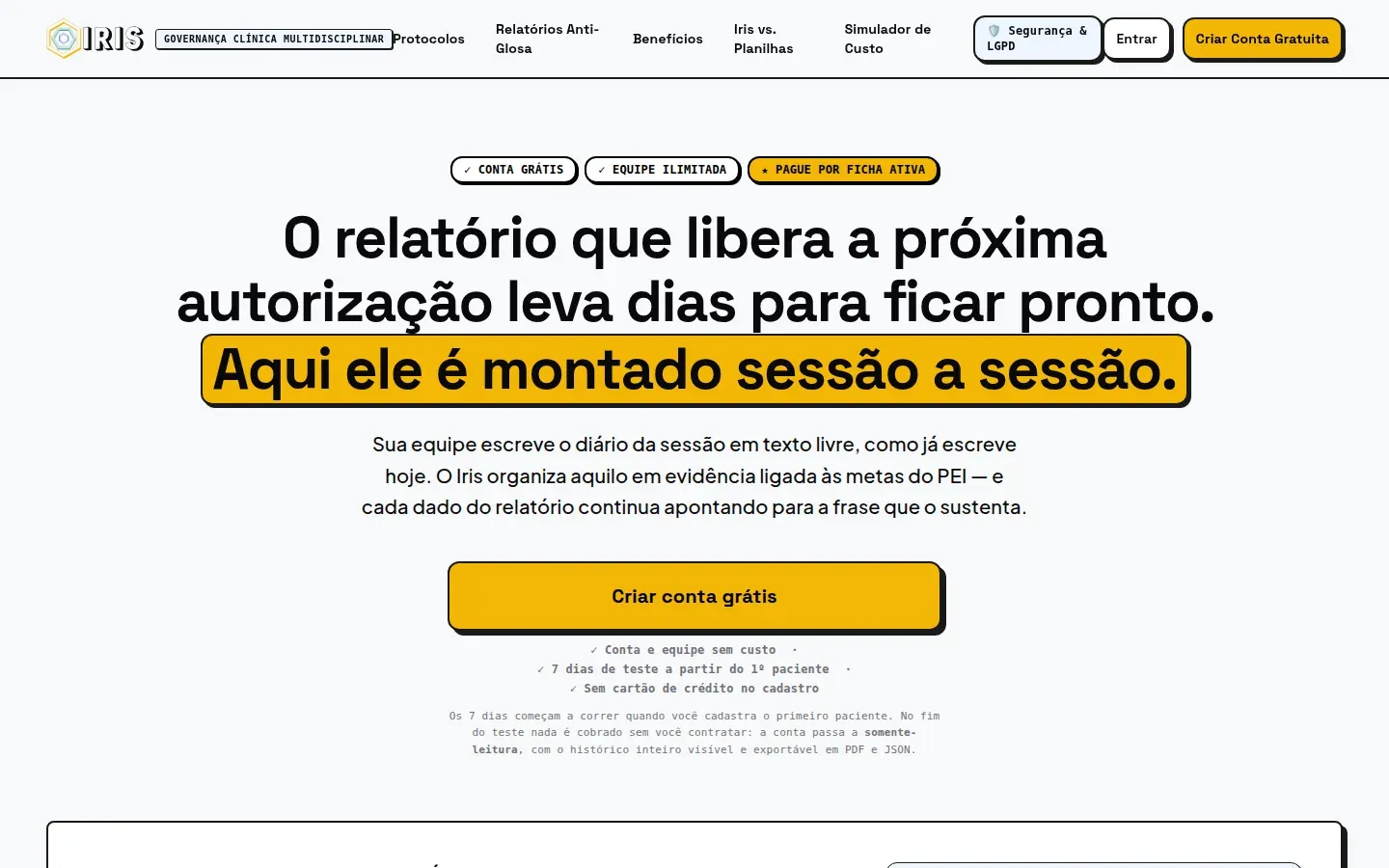
Every piece of evidence points to its source sentence.
The therapist writes or dictates the journal. The AI extracts the evidence and keeps the sentence that produced it. Whoever approves checks the original sentence.
Batch approval depends on risk criteria
High confidence that matches the history can be approved in batch. Medium or low confidence has to be opened and confirmed one by one. Anything that contradicts the history never goes to batch.
The same rule applies on the screen and in the batch action, so the two never diverge.
Review the evidence the AI suggested
Interactive demo. Hover or focus a card to see the sentence it came from. Approve, reject, and try to approve everything at once.
Session diary
1L. arrived calm and picked the shape-sorter game on his own, with no visual support needed to start.2During the game, he asked for “more pieces” in three-word phrases four times.3At the switch to a new activity, he cried briefly and calmed down in about a minute with the routine board.4At the end, his mother said he has been willing to try new foods at home.
pending suggestionbecame approved evidence
Suggested evidence
2 of 4 approved
“Approve all” stays locked while 1 low-confidence suggestion is still pending: friction grows with the risk.
- Approved by the therapistsentence 1
Autonomy
Started the activity without visual support
- Approved by the therapistsentence 2
Communication
Verbal request in a 3-word phrase, 4 times
- AI suggestion · confidence 0.82sentence 3
Emotional regulation
Regulated transition with help from the routine board
- AI suggestion · confidence 0.41sentence 4
Eating
Willing to try new foods at home
Low confidence: this is the mother’s report, not something observed in the session.
Fictional example: the patient, session, sentences and evidence were made up for this demo. No real patient data.
Every piece of evidence goes through a person, and coordination reviews by exception.
Coordination doesn't redo the therapist's work: it reviews what falls outside the threshold, reclassifies with a justification, and every version is kept.
The first version was Espectro.
Iris started as Espectro. There, the dashboard indicators went from about 2.4 s to under 100 ms (reported), and login gained two-factor authentication.
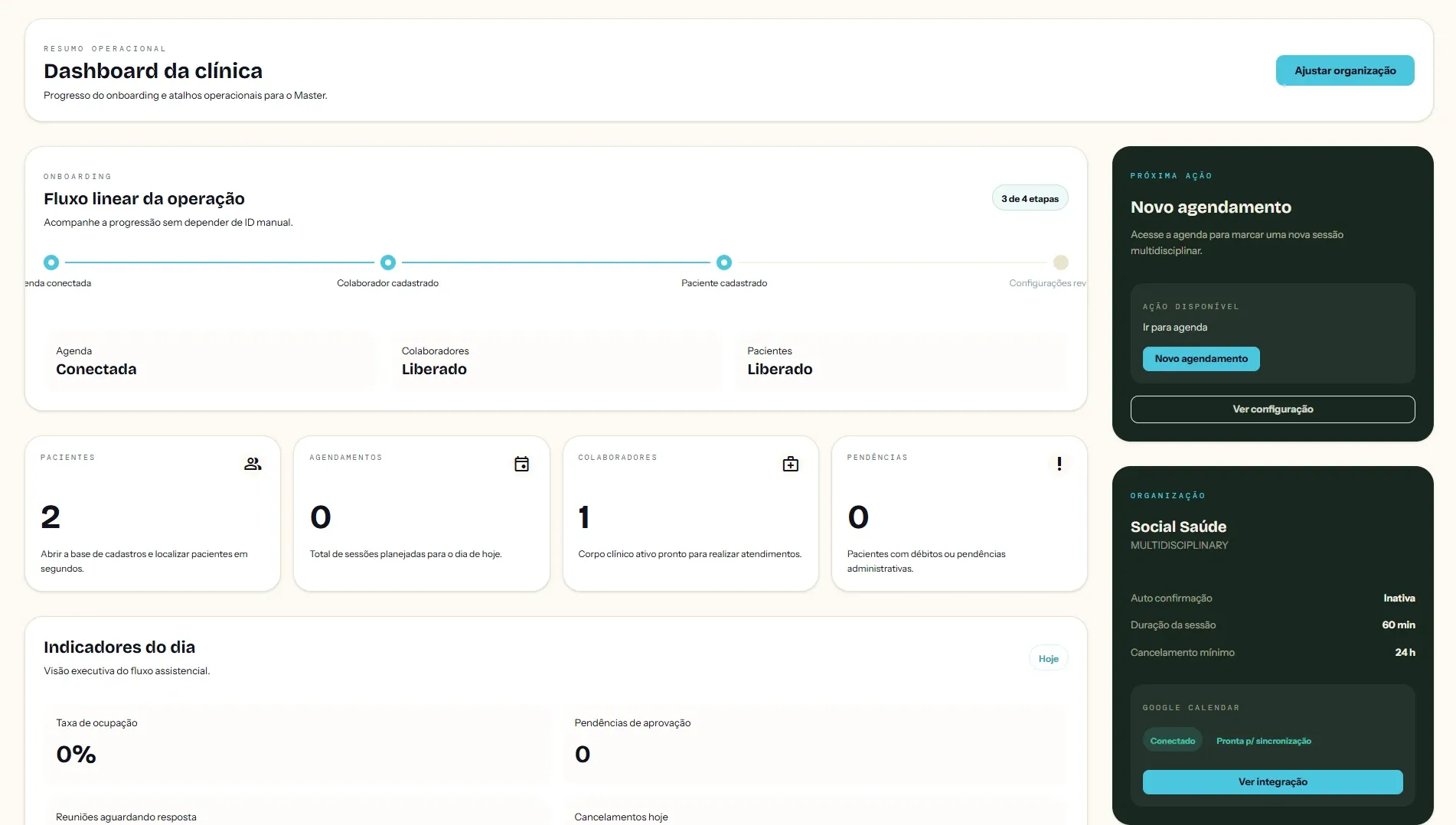
What changed
The timeline and demo use fictional data to show the approval rule and the link back to the original note. Lighthouse returned an automated accessibility score for the version assessed. Effects on clinical workflow, adoption and repeat use still need published evidence.
- Human review
the policy requires approval before an AI suggestion becomes a record
Evidence: System rule - < 100 ms
to load the dashboard indicators in Espectro (down from about 2.4 s)
Evidence: Reported - 96/100
Lighthouse mobile accessibility score
Evidence: Measured
Sources and limits
The 96/100 score comes from Lighthouse mobile, accessibility category.
Demo images; no real patient data appears here.
The drop from 2.4 s to under 100 ms on the Espectro dashboard has no published method.
No usability test with real users is published, and the personas are synthetic. Adoption and recurring use have no published data.
How to read the level of evidence
- Evidence: Measured
- I measured it, and the case states the method.
- Evidence: System rule
- A guarantee of the project, checkable in the code or in the documented decision.
- Evidence: Reported
- Stated by me or by stakeholders, with no published data.
Appendix: process
Process
- Espectro
- I started as Espectro: clinic scheduling, an operations dashboard and Google Calendar integration.
- Hypotheses
- I explored hypotheses with synthetic personas to sharpen the questions. Validation came later, with the people who use it.
- Review policy before screens
- I wrote the review policy before the screens: the higher the risk of the evidence, the more friction to approve it.
- Live and in use
- Iris is in production. The Android app follows the product.
Updated .
Hiring a Senior Product Designer or DesignOps Lead?
I am available immediately, 100% remote. Let's talk about how I can help your product.